
The Longest Word in Each Language, Compared
The longest word in each language the app teaches, from its own word lists, and why German, Dutch and Finnish compounds run longer than English ones.

Anki Alternatives for People Who Hate Flashcard Sessions
Six reasons people leave Anki, from the daily review queue to wanting a full course, each matched to the app built for that specific complaint.

Anki vs Quizlet (2026): Which Flashcard App to Use
Anki and Quizlet both use spaced repetition but differ in price, platforms and who builds the deck. Checked on each app's site and App Store page, September 2026.

How to Learn a Language When You Have No Time
Busy weeks rarely leave a fixed free hour. Split the job: a sit-down slot for speaking and grammar, everything else in the seconds you already have.

Watch Your Language vs Memrise: Video or Glance
Memrise and Watch Your Language compared on method, speaking, platforms and price, checked on Memrise’s own site and App Store page in October 2026.

Best Language Learning Widgets for iPhone (2026)
Duolingo, Watch Words, Vocabulary and Drops, checked against their App Store pages in September 2026: which widget shows a word, and which just guards a streak.


Arabic Roots: One Pattern, a Dozen Words
Arabic vocabulary grows in families: kataba, kitab, maktab, maktaba, katib and maktub all come from one three-letter root, reshaped by predictable patterns.

CEFR Levels A1 to C2, Explained in Plain Words
A plain-language guide to the six CEFR levels, A1 to C2: what each one actually lets you do, how long it typically takes, and how each is tested.
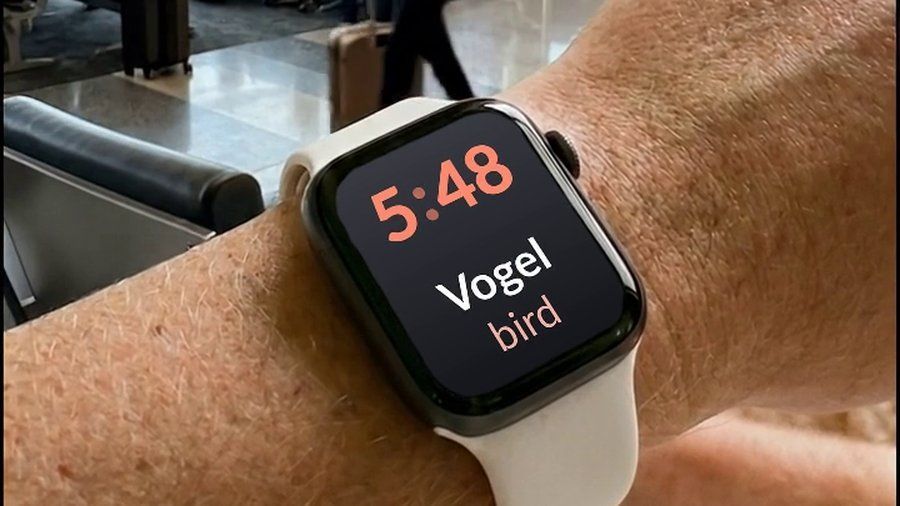
Learn a Language on an Apple Watch: A Setup Guide
Yes for vocabulary, no for full lessons: how to set up Watch Your Language on your Apple Watch, from installing the app to choosing a face and complication.

Why You Forget New Words, and How to Stop
Why new vocabulary fades within days, what makes certain words stick without effort, and the small daily habits that keep the rest from slipping away.


Swedish Vocabulary: Closer to English Than It Looks
Swedish and English share Germanic roots and Norse loanwords, so many words look familiar, but false friends like glass, rolig and gift trip up learners.

Watch Your Language vs Duolingo: Different Jobs
Watch Your Language and Duolingo do different jobs: Duolingo teaches lessons, Watch Your Language keeps vocabulary on your Lock Screen and Apple Watch.

Best Vocabulary Apps (2026): Flashcards, Games and Widgets
Anki, Quizlet, Drops, Memrise, Clozemaster and Watch Your Language, compared on method, platforms, own-word support and price, and which to pick.

How Long Does It Take to Learn a Language?
Two published sources give an honest range of hours per language and level, and this guide explains what each one measures, and what changes it for you.

Duolingo Alternatives (2026): Best App for Each Reason
Duolingo alternatives compared by why you left: no daily session, real vocabulary, speaking practice, grammar, or real content, each with a limitation.

Duolingo vs Babbel (2026): Which One Fits How You Learn
Duolingo and Babbel take different approaches to lessons, grammar and speaking practice. See what each app offers, checked on their sites in September 2026.


Reading Devanagari Before You Speak Hindi
Devanagari looks dense, but it spells Hindi almost exactly as it sounds. How the script works, the parts that trip English speakers, and where to start.

Best Apple Watch Apps for Learning a Language (2026)
Duolingo, Babbel, Rosetta Stone and more, checked against their App Store pages in September 2026: which still run on Apple Watch, and what they do there.
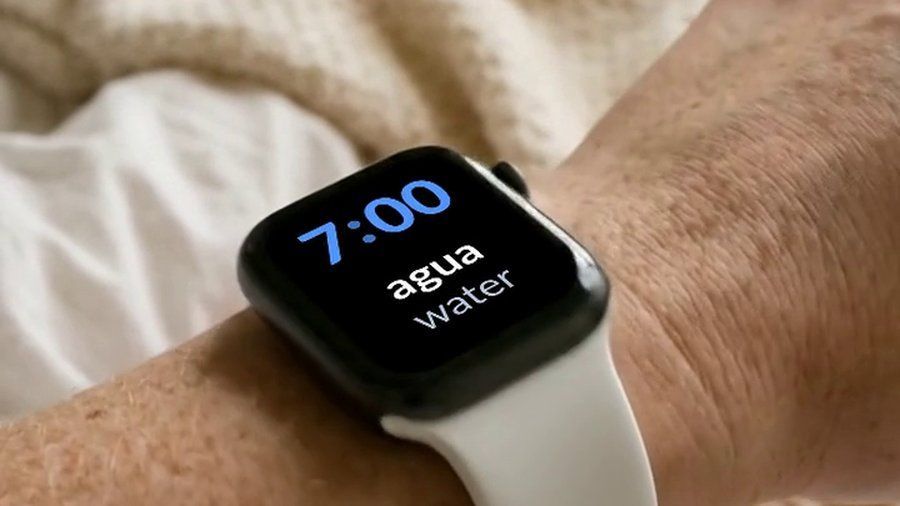
How to Learn Vocabulary Without Study Sessions
Brief, repeated exposure can carry most of the work of learning vocabulary. What it does well, what it cannot do, and a setup that survives a busy week.


Brazilian or European Portuguese: Which Words Change
Trem or comboio, você or tu, estou fazendo or a fazer: the everyday vocabulary, pronouns, and spelling that split Brazilian and European Portuguese.

Does Passive Learning Work? An Honest Answer
What passive exposure genuinely gives you, what it cannot do on its own, and how to build the rest of a language habit around it.


Four Things About Korean Words a List Can't Show You
Two number systems, speech levels, Chinese-origin roots and sound changes: four parts of Korean vocabulary that a plain word list cannot show you.


The Ukrainian Case That Changes How You Say a Name
Ukrainian shifts a name's ending the instant you speak to someone rather than about them, and shifts vowels and consonants inside other words besides.


Why 'How Many Japanese Words' Is the Wrong Question
Counting Japanese vocabulary like French or Spanish misses the point: most kanji carry two readings, and the same word can be written three different ways.

